Bread, Muffins, Donuts and Pastries
No-Knead Dutch Oven Bread (In Two Hours!)
Discover the easiest way to bake artisan bread at home with this two-hour No-Knead Dutch Oven Bread. No stand mixer, no complicated folding, no fuss – in under 2 hours, you’ll have a golden, crusty loaf with a chewy interior that tastes…
- Serves 1 loaf
- Prep 10 minutes
- Cook 45 minutes
- Total 2 hours
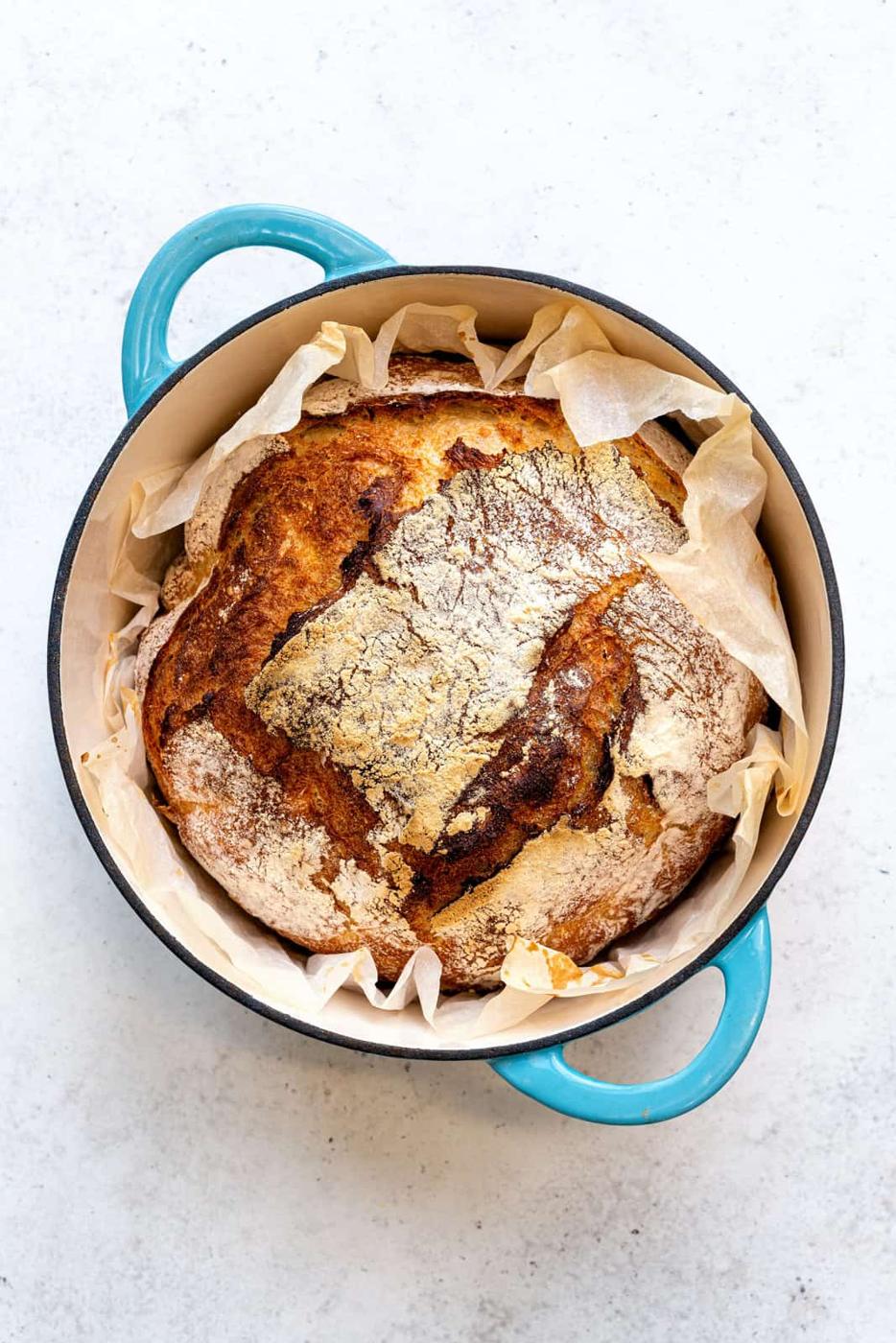
Take a look at my Easy Wholemeal Bread Recipe
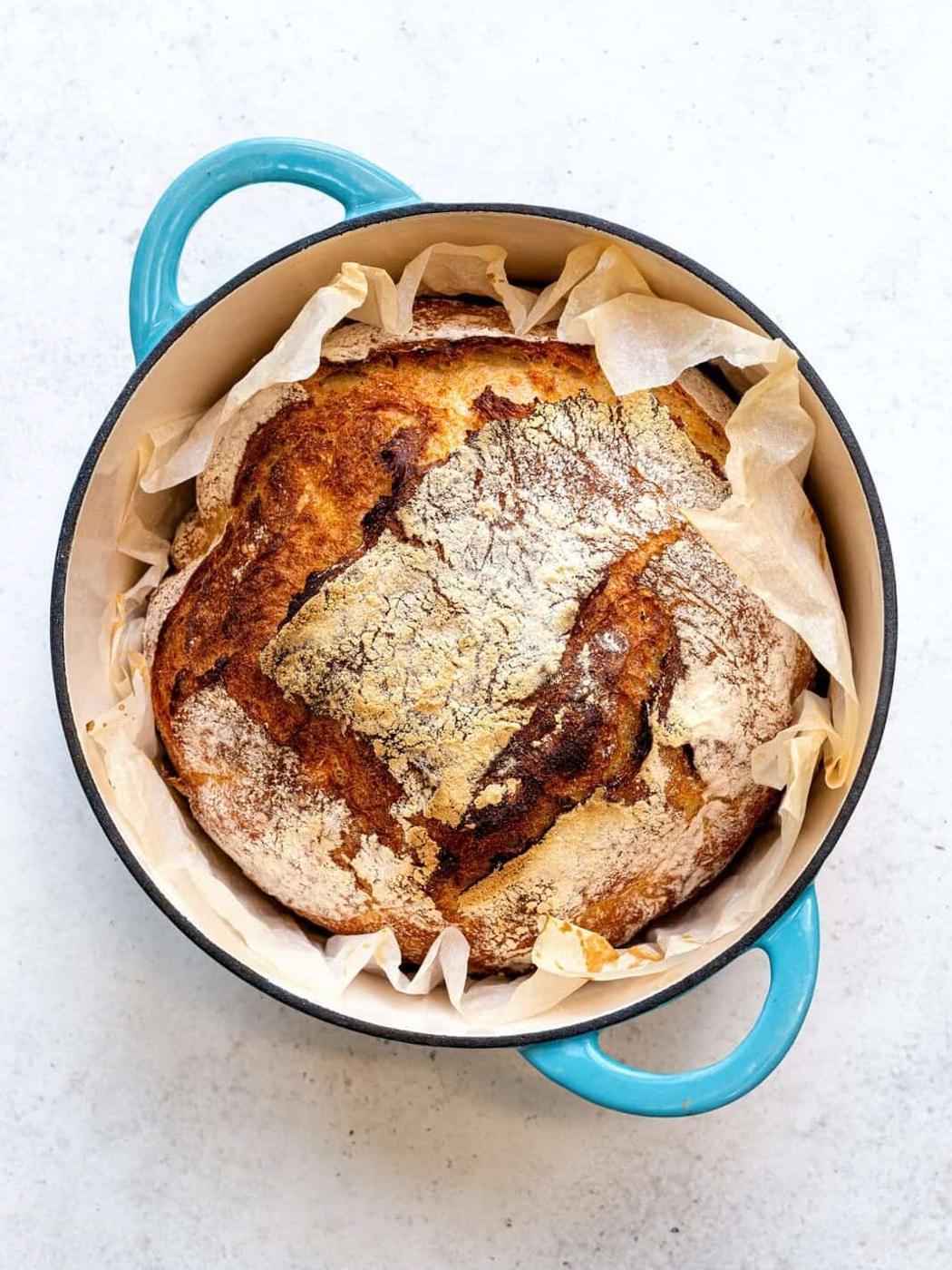
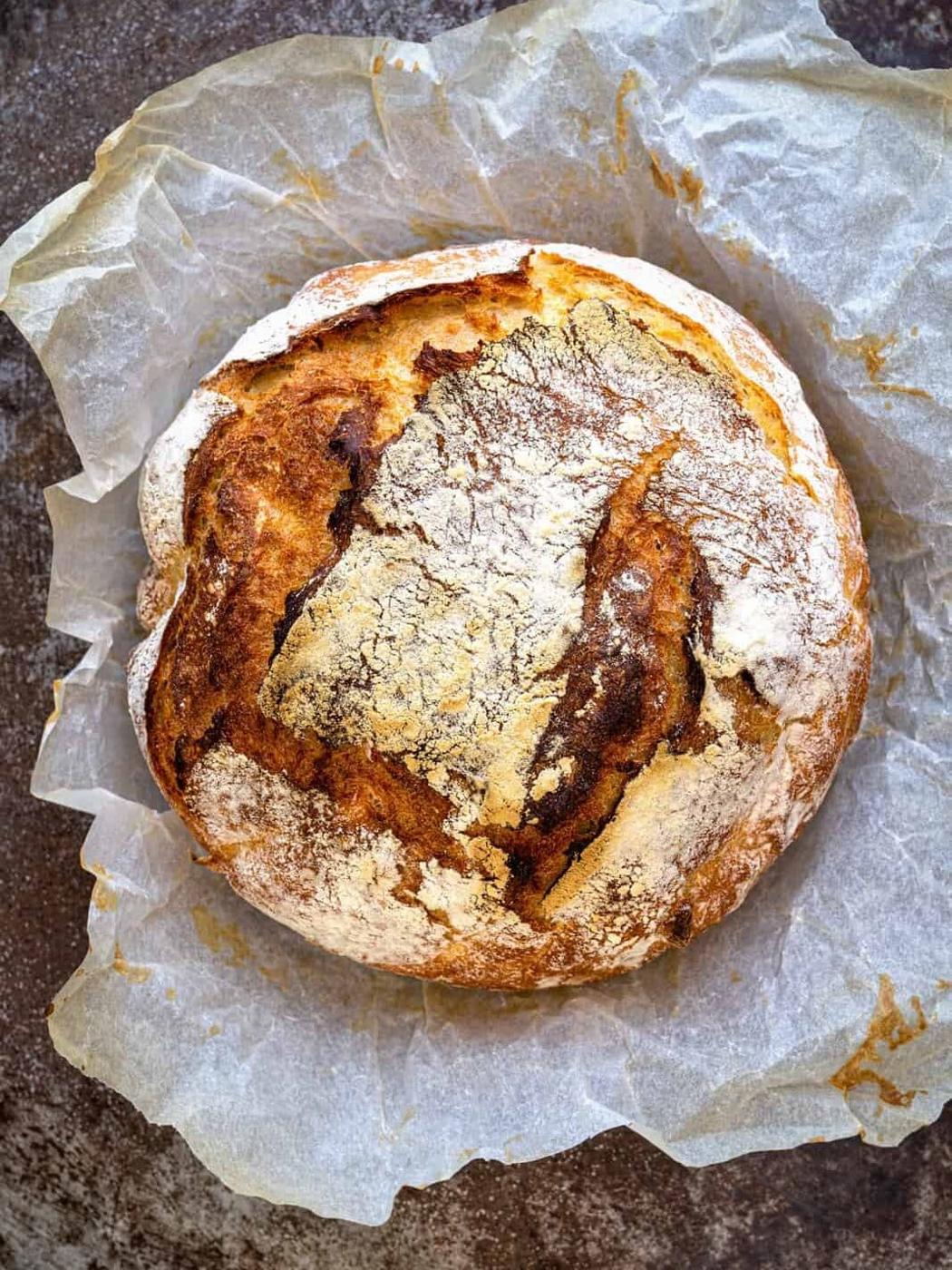
Fresh bread in two hours flat? Yes, it’s possible! This No-Knead Dutch Oven Bread recipe gives you a bakery-quality loaf with almost no effort. Forget complicated shaping, endless folding, or overnight rises — all you need are a few pantry staples, a bowl, and a Dutch oven.
The result is a golden, crisp crust and a tender, chewy crumb that looks like it came straight from an artisan bakery. Best of all, it’s perfect for beginners: no fancy equipment, no kneading, no stress. And better still, YOU baked it – bragging rights 😉
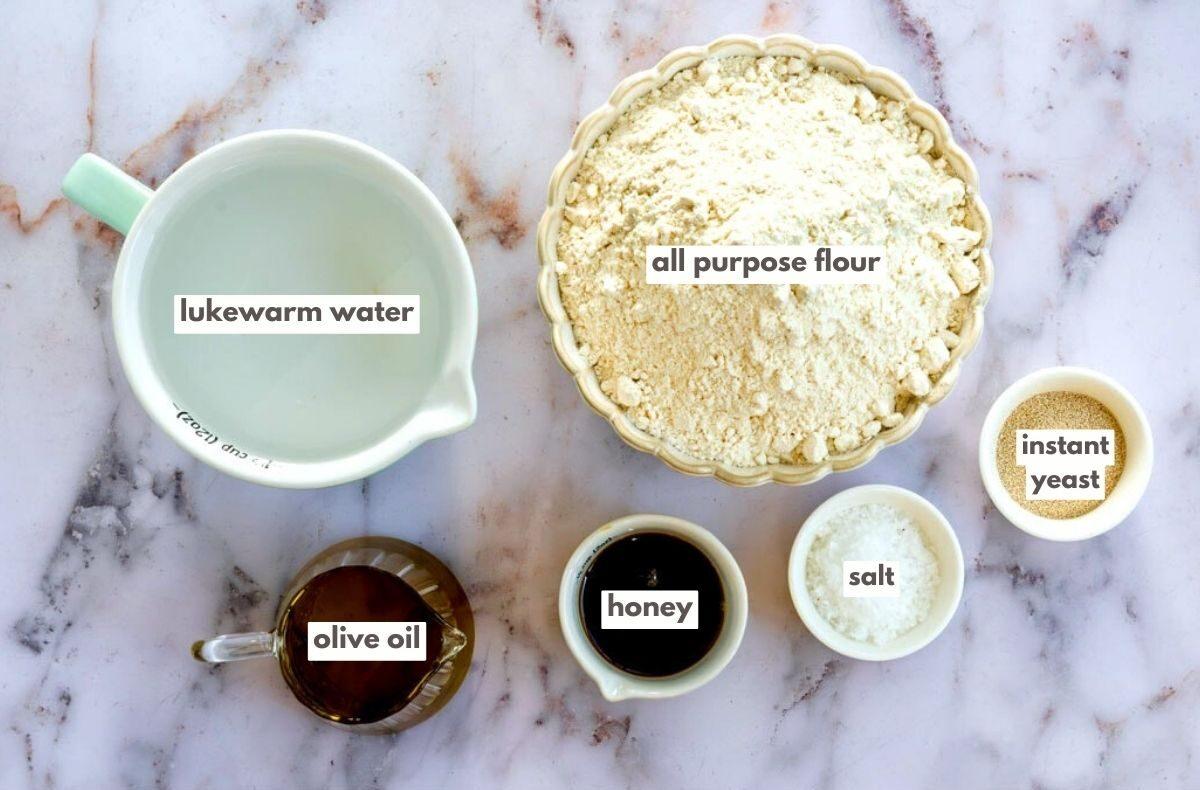
How to Make No-Knead Dutch Oven Bread Step-by-Step
Make the Dough
- Mix the honey with lukewarm water in a measuring jug, stirring to combine. Make sure the water is just tepid and not hot, otherwise it will kill the yeast.
- Combine the flour, instant yeast, and any herbs or seasonings in a large mixing bowl. Stir to combine.
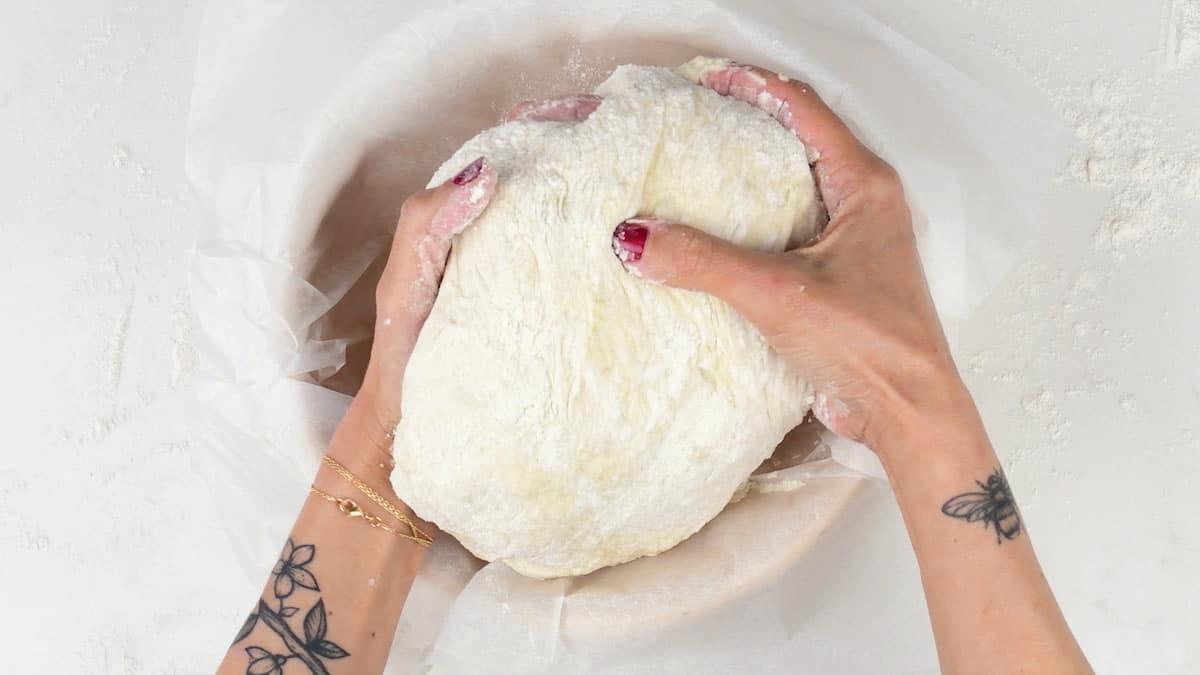
- Make a well in the center ingredients and pour the water in. Use a wooden spoon to stir together, making sure no dry pockets of flour remain. Mix in the salt, stirring once again until it is distributed in the dough. Sprinkle a little flour over the top.
- Cover the bowl with a clean towel and leave to dough to rise for 1 – 2 hours, or until almost doubled in size. The rising time will depend on how warm your kitchen is, you can speed it up by putting in a warm oven.
Bake in a Dutch Oven
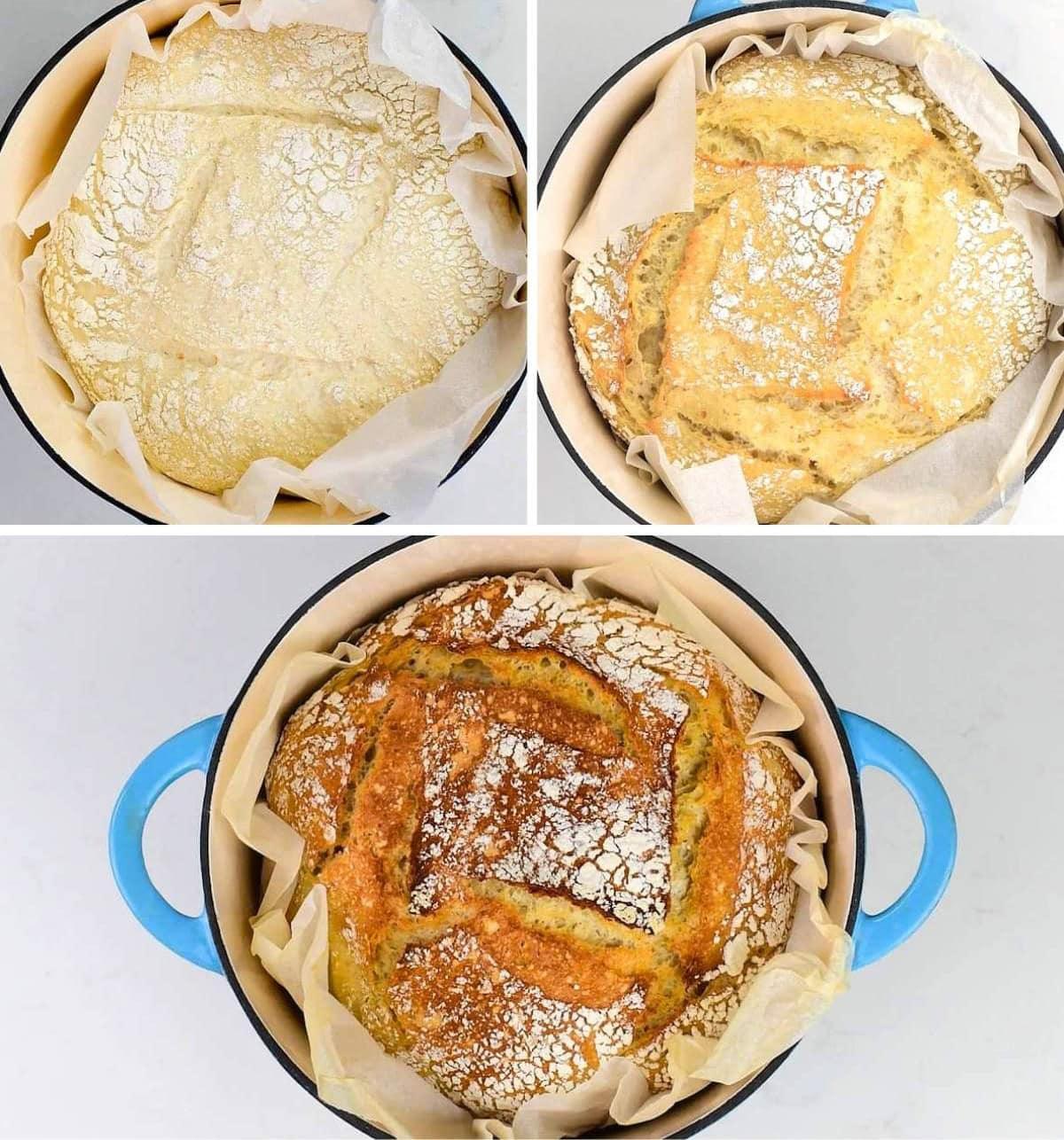
- Preheat the oven to 220C (420F) and place a 24cm (4L/4.25 Quart) Dutch Oven on low shelf to preheat for 30 minutes while the bread is having its second rise.
- Score the loaf using a sharp knife or a dough scoring lame or sharp knife (this helps the bread to rise so don’t skip it).
- Carefully remove the pot from the oven (it will be very hot so use oven mitts or pot holders). Lift the bread out of the bowl using the baking paper and drop gently into the pot (or better yet, invest in a silicone bread sling).
- Cover and bake for 30 minutes – the bread will have risen but is not baked all the way through yet.
- Uncover and bake for a further 10 minutes. Remove from the pot and bake directly on the oven shelf for 5-7 minutes until golden and crusty. The bread is ready when you hear a hollow sound when you tap the underside.
No Knead Bread Without Dutch Oven
A Dutch oven is best for steam, but you can use a heavy oven-safe pot with lid. Alternatively, bake in a cast iron skille. The bread will have a slightly different shape, a bit more spread out, but will still taste just as delicious!
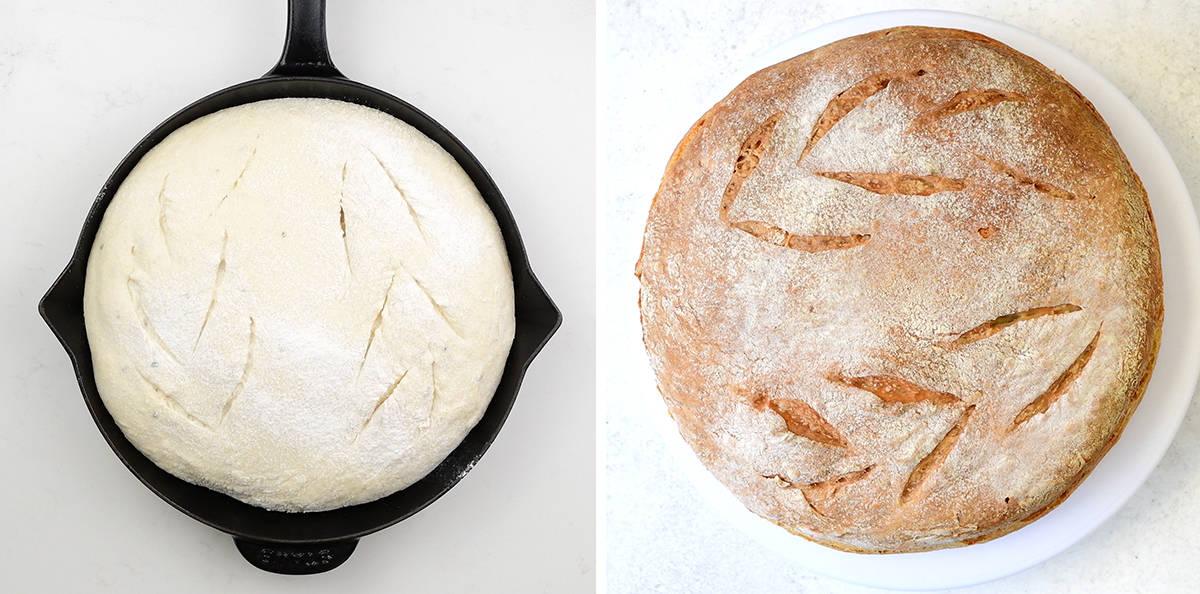
- Prepare the dough as per instructions up to the first rise. Oil your cast iron skillet and sprinkle with a little semolina. Shape the loaf and transfer into the skillet for the second rise (30 minutes) while you preheat the oven.
- Slice the loaf. Place a roasting tray on the lowest oven shelf and the skillet on a shelf above it. Throw a handful of ice cubes into the roasting tin you placed on bottom shelf. Place the skillet on shelf above. The steam created by the melting ice cubes will help your bread to rise. I found that the bread baked quicker in a skillet, needing 30-40 minutes overall.
Recipe Notes and Troubleshooting
- What’s makes No-Knead Bread so great? Traditional bread recipes require kneading the dough by hand or in a mixer to develop the gluten. No-knead bread skips all that by using more yeast and water (it’s a higher hydration dough) encouraging gluten strands to form naturally as it rises.
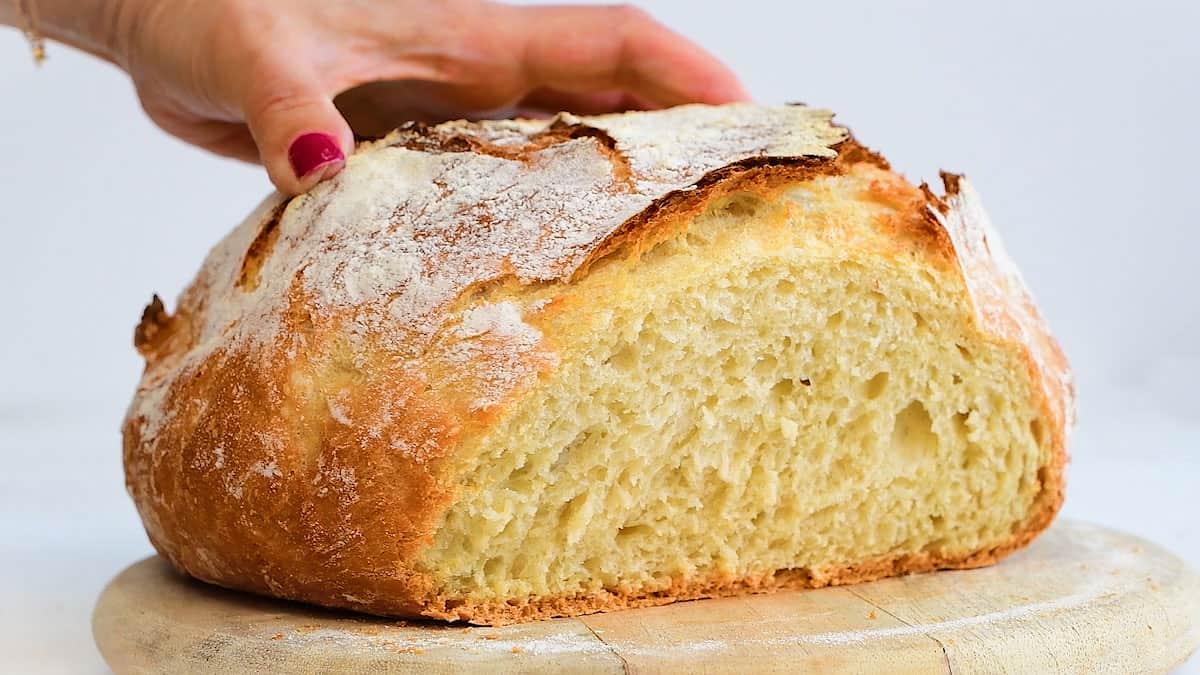
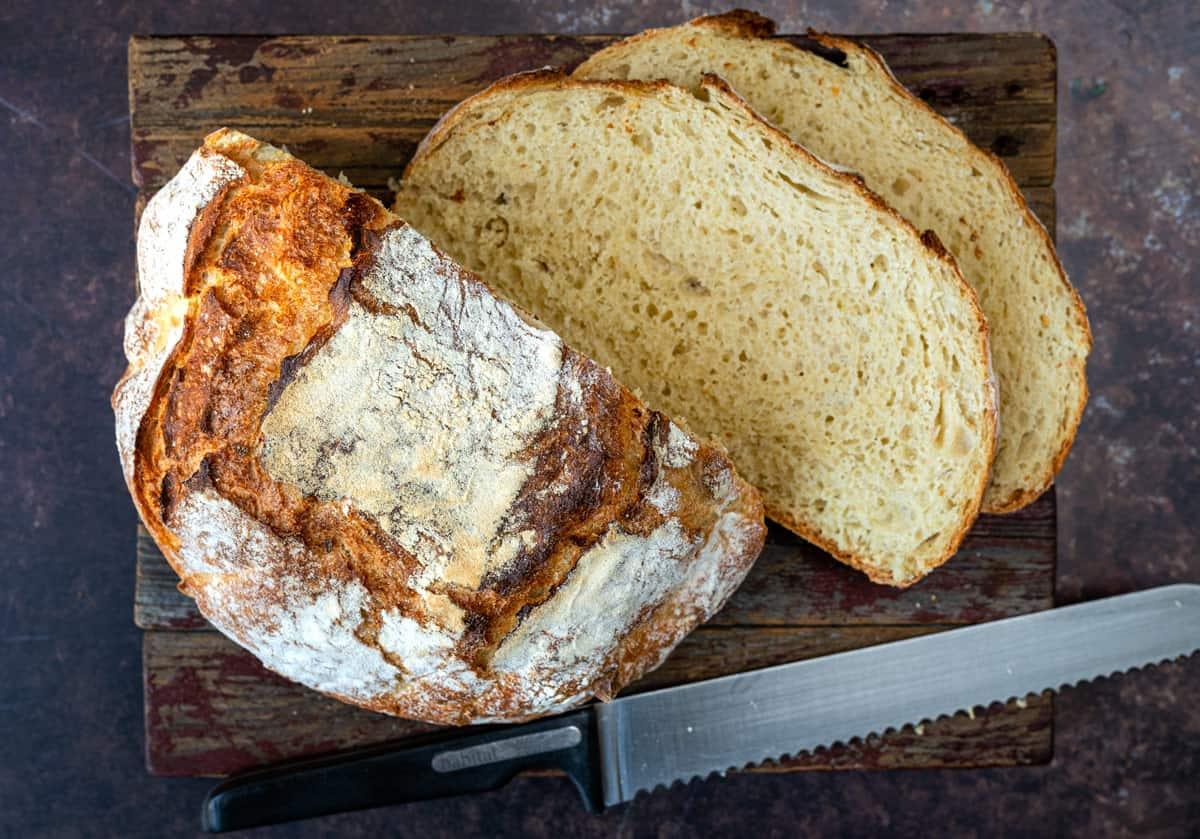
- Why You Shouldn’t Slice Bread While It’s Still Warm! I know, I know, the intoxicating scent of fresh-baked bread is torture. But be strong and resist slicing for at least 20–30 minutes after baking. Cutting into bread straight from the oven can ruin the texture as inside it is still full of steam – slice too soon and you’ll end up with a gummy, squashed loaf. Leaving bread to cool allows flavors to develop and makes it much easier to slice cleanly.
Customizing No-Knead Bread
Consider adding herbs such chopped rosemary is a favorite) spices, seeds, nuts or dried fruit to your bread. Experiment by folding in grated cheese, olives or sun-dried tomatoes for a delicious twist – the bread might have a slightly different crust but it will be delicious!
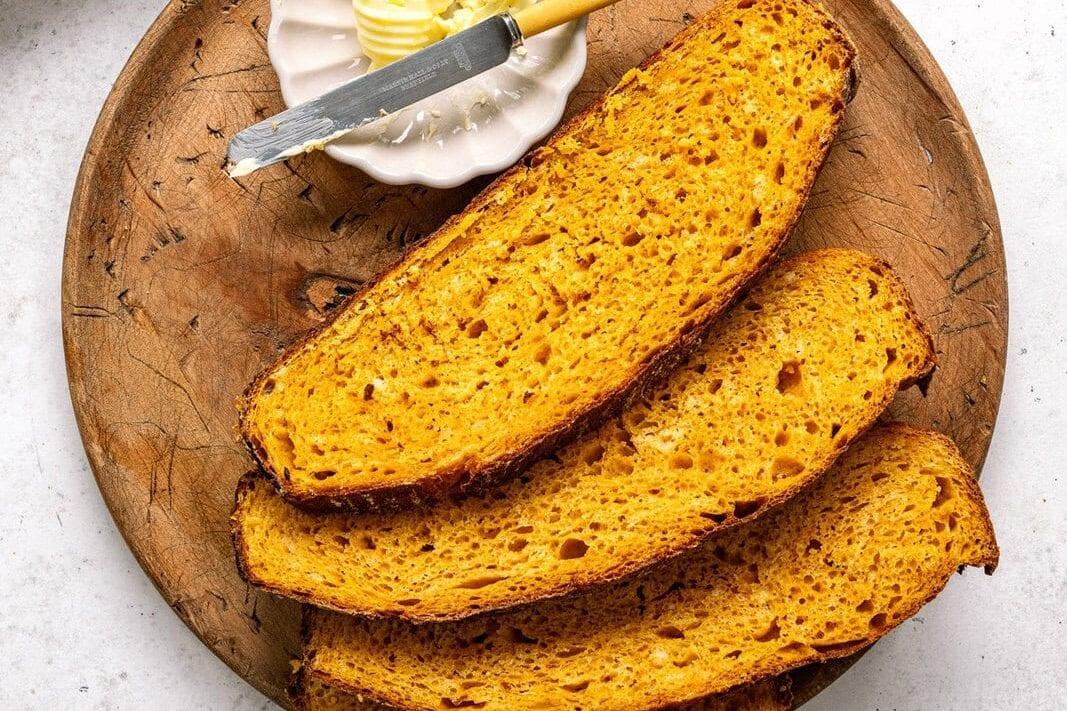
You can also variations using added ingredients such as pumpkin purée – try my No Knead Pumpkin Bread (pictured above). Use your sourdough discard in this no knead Quick Sourdough With Yeast recipe.
Recipe
No-knead Dutch Oven Bread
No knead bread – easy, delicious and ready to bake in two hours. The easiest bread recipe you will ever make – get ready to brag about homemade artisan bread even if you have never baked before!
- Serves 1 loaf
- Prep 10 minutes
- Cook 45 minutes
- Total 2 hours
Ingredients
- 4 ½ cups (570g) white bread or all-purpose flour (plus extra for dusting and worktop)
- 2 tsp instant yeast (rapid rise yeast) (see notes if using dry active yeast)
- 2 cups (500ml) lukewarm water
- 1 tbsp runny honey (or sugar)
- ½ tbsp salt (sea salt or Kosher salt)
- olive oil (as needed, for greasing)
Method
- 1
Mix the flour and instant yeast together in a large bowl.
- 2
Add the water and honey and mix together with a wooden spoon or dough whisk until you have a shaggy, very sticky dough. Add the salt and mix it in to distribute into the dough.
- 3
Transfer to a bowl or pyrex dish greased with a little olive oil. Cover with a damp tea towel and leave to rise for 1 ½-2 hours, or until almost doubled in size.
- 4
Dust your worktop with flour. Tip the dough on it and sprinkle with a little flour – it will be sticky (that's how it should be). Line a bowl or banetton basket with baking paper and dust with flour.
- 5
Use a pastry scraper to fold the edges over towards the centre to create a round loaf.
- 6
Carefully cup the loaf in your hands and transfer into the prepared bowl seam side down. Loosely cover with a plastic bag.
- 7
Preheat the oven to 420F (220°C) and place a Dutch Oven on low shelf to preheat for 30 minutes while the bread is having its second rise.
- 8
Score the top of the loaf using a sharp knife or lame. Carefully remove the pot from the oven (it will be very hot so use oven mitts or pot holders).
- 9
Lift the bread out of the bowl using the baking paper and drop into the pot. Cover and bake for 30 minutes.
- 10
Take the lid off. bake for 10 more minutes then take out of the Dutch Oven and bake directly on the oven shelf for 5 minutes for extra crisp crust. Leave the bread to cool on a wire rack for 30 minutes before slicing.
Notes
USING DRY ACTIVE YEAST Combine 1/4 cup (60g) of the water specified in the ingredients and the honey in a measuring jug. Add the yeast, stir together and leave for 5-10 minutes until bubbly (if the yeast doesn’t bubble up it might not be active any more!). Stir the flour, salt and rosemary in a large mixing bowl, add the remaining water and then the activated yeast. Mix well until a sticky dough forms and proceed with method. NO DUTCH OVEN? You can use a cast iron skillet to bake the bread instead of a Dutch oven. The bread will have a slightly different shape, a bit more spread out, but will still taste just as delicious! Prepare the dough as per instructions up to the first rise. Oil your cast iron skillet and sprinkle with a little semolina. Shape the loaf and transfer into the skillet for the second rise (30 minutes) while you preheat the oven. Slice the loaf. Place a roasting tray on the lowest oven shelf and the skillet on a shelf above it. Throw a handful of ice cubes into the roasting tin you placed on bottom shelf. Place the skillet on shelf above. The steam created by the melting ice cubes will help your bread to rise. I found that the bread baked quicker in a skillet, needing 30-40 minutes overall.
Equipment
- Dough Whisk
- Mixing Bowl
- Banneton Proofing Basket
- Silicone Bread Sling
- Dutch Oven
- Cast Iron Skillet
- Bread Knife
- Bread Bag
Nutrition
- Calories2260 kcal
- Carbohydrates475 g
- Protein68 g
- Fat8 g
- Saturated Fat1 g
- Sodium3514 mg
- Potassium831 mg
- Fiber23 g
- Sugar36 g
- Vitamin A63 IU
- Vitamin C1 mg
- Calcium110 mg
- Iron27 mg